
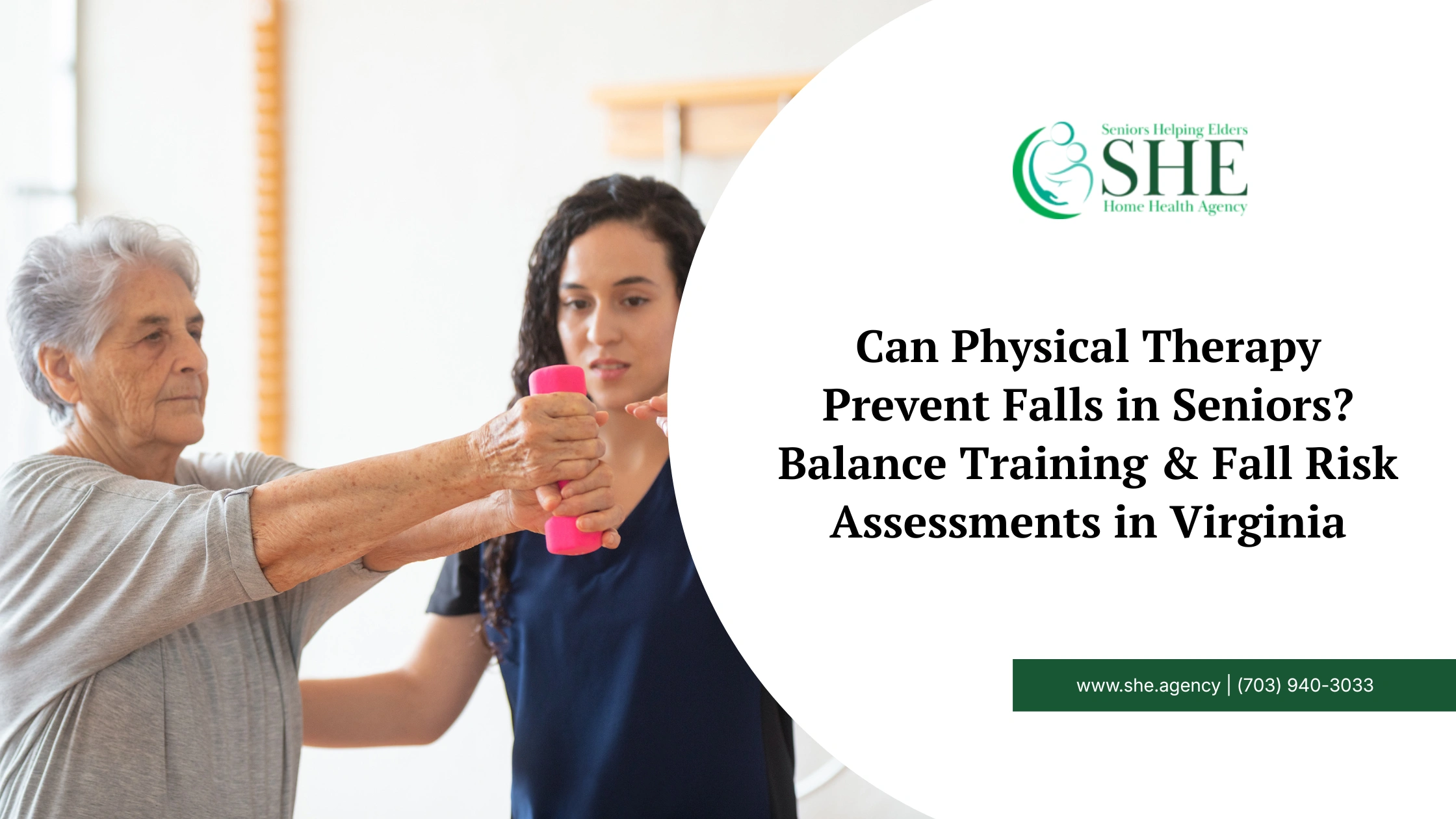
Falls are one of the most common causes of injury among older adults and often indicate underlying declines in mobility. With structured physical therapy, seniors across Virginia can improve balance, regain control over movement, and reduce long-term risks. Addressing these concerns early helps maintain independence and overall health stability.
Strengthening Movement Patterns Through Physical Therapy
Mobility challenges often develop gradually, affecting posture, coordination, and walking patterns. Physical therapy focuses on restoring these functions through targeted interventions. By improving how the body moves, seniors can regain confidence in daily activities. This creates a direct pathway toward reducing fall risk.
- Targeted strength development: Improves lower body stability to support safe movement and reduce imbalance
- Neuromuscular coordination: Enhances communication between muscles and nerves for better control
- Functional mobility training: Focuses on real-life activities such as walking, turning, and standing
Why Fall Prevention Is a Clinical Priority for Seniors
Falls are not isolated events but indicators of physical decline that can lead to serious complications. Preventing falls supports long-term mobility and reduces healthcare risks. Early intervention helps avoid conditions that may limit independence. This makes fall prevention a critical part of senior care.
- Injury risk reduction: Helps prevent fractures and head injuries that require a long recovery
- Mobility preservation: Supports continued independence in everyday routines
- Health stability: Reduces complications caused by inactivity and muscle loss
Key Factors That Increase Fall Risk in Older Adults
Fall risks often result from a combination of physical, medical, and environmental factors. Identifying these risks allows for more precise and effective interventions. Many of these issues develop gradually, making early detection essential. Addressing these factors improves both safety and mobility.
- Lower extremity weakness: Reduces the ability to maintain balance during movement
- Impaired balance systems: Affects coordination and stability
- Medication-related effects: May cause dizziness or delayed response
- Environmental hazards: Includes poor lighting, clutter, and uneven surfaces
How Physical Therapy Addresses Fall Risk at Its Source
Physical therapy focuses on correcting underlying causes rather than managing symptoms alone. This approach ensures long-term improvements in mobility and stability. Each intervention is designed to strengthen specific areas that influence balance. The result is safer and more controlled movement.
- Strength conditioning programs: Improve muscle endurance and joint support
- Balance retraining techniques: Restore postural control and stability
- Gait correction strategies: Address abnormal walking patterns
- Flexibility training: Enhances range of motion for smoother movement
- Movement education: Teaches safe techniques for daily activities
SHE provides structured care through physical therapy services in Virginia to support consistent progress.
How Fall Risk Assessments Guide Treatment Planning
A structured assessment provides essential insights into mobility challenges and safety concerns. This process allows therapists to design targeted care plans. Each step focuses on identifying both physical limitations and environmental risks. Accurate evaluation leads to better outcomes.
- Medical history review: Identifies patterns and contributing conditions
- Mobility testing: Evaluates walking and transfer ability
- Balance assessments: Measures stability under various conditions
- Environmental review: Identifies hazards within the home
- Individualized planning: Creates a targeted therapy program
Evidence-Based Balance Training Techniques for Seniors
Balance training plays a central role in improving stability and reducing fall risk. These exercises are designed to strengthen coordination and control. Each technique is selected based on individual needs and progress. Consistent practice leads to measurable improvements.
- Static balance exercises: Improve stability in stationary positions
- Dynamic balance training: Enhances movement coordination
- Functional strengthening drills: Focus on everyday activities
- Resistance exercises: Build long-term muscular support
Comparing Physical Therapy With Other Fall Prevention Strategies
Different fall prevention strategies offer varying levels of effectiveness. Physical therapy addresses root causes, while other methods provide additional support. Combining approaches can enhance overall safety. Understanding these differences helps in selecting the right care plan.
| Option | Benefits | Limitations |
| Physical Therapy | Targets underlying causes | Requires consistency |
| Home Modifications | Reduces hazards | Does not improve strength |
| Assistive Devices | Provides support | Limited corrective impact |
Understanding Cost and Coverage for Physical Therapy in Virginia
Cost considerations play an important role in care decisions. Therapy services vary depending on individual needs and treatment complexity. Many seniors have access to insurance coverage options. Understanding these factors helps families plan effectively.
- Insurance eligibility: Many plans cover therapy when medically necessary
- Session frequency: Impacts the total cost of treatment
- Care complexity: Advanced conditions may require specialized care
Supportive Tools That Enhance Therapy Outcomes
Assistive tools can improve safety and complement therapy interventions. These tools help reduce strain and support daily activities. When used correctly, they enhance independence and mobility. Professional guidance ensures effective use.
- Mobility aids: Improve balance during walking
- Safety equipment: Reduce risks within the home
- Adaptive tools: Support independence in daily routines
Common Mistakes That Increase Fall Risk Over Time
Certain habits can reduce the effectiveness of therapy and increase the risk of falls. Identifying these patterns helps improve outcomes. Avoiding these mistakes supports consistent progress. Awareness plays a key role in prevention.
- Delayed intervention: Allows risks to worsen over time
- Inconsistent participation: Interrupts therapy progress
- Improper exercise techniques: May lead to injury
- Ignoring home safety: Leaves preventable hazards unaddressed
Environmental Considerations for Fall Prevention in Virginia
Living environments influence how fall risks develop and are managed. Awareness of environmental factors improves safety planning. Each setting presents unique challenges. Addressing these factors enhances overall care.
- Home design limitations: May require modifications for accessibility
- Surface variability: Affects stability during movement
- Care access: Availability of services supports ongoing care
Long-Term Strategies for Maintaining Stability and Mobility
Fall prevention requires consistent care and monitoring over time. Long-term strategies help maintain improvements achieved through therapy. These approaches support independence and safety, and regular follow-up ensures continued progress.
- Routine therapy sessions: Maintain strength and coordination
- Periodic reassessment: Adjusts care plans as needed
- Integrated care support: Combines therapy with daily assistance
- Lifestyle adjustments: Encourage safe movement habits
Accessing Physical Therapy Services Across Virginia
Access to professional care ensures seniors receive structured and effective support. SHE provides home health care services designed to improve mobility and safety. Care plans are tailored to individual needs and environments. This ensures practical and consistent outcomes.
- Physical therapy services: Physical therapy in Virginia improves strength and balance
- Daily support services: Home health aide services assist with routines
- Clinical care services: Skilled nursing services support complex needs
Explore service areas in Virginia and connect via the SHE Facebook page.
Frequently Asked Questions
Understanding fall prevention often requires clear and practical answers. These responses address common concerns related to therapy, safety, and care planning. Each answer helps guide informed decisions. Proper understanding supports better outcomes.
Can physical therapy reduce the risk of falls in seniors?
Yes, physical therapy improves strength and coordination, which lowers fall risk. Structured programs support long-term mobility. Learn more about physical therapy services in Virginia.
How long does it take to see improvement?
Many individuals see improvements within a few weeks of consistent therapy. Progress depends on individual condition and adherence to care plans.
Is physical therapy covered by insurance?
Many insurance plans cover therapy when medically necessary. Coverage varies based on provider and plan. SHE helps guide families through the process.
What are the early signs of fall risk?
Signs include instability, dizziness, and a history of falls. Early assessment helps prevent complications. Professional care improves outcomes.
Get Professional Fall Prevention Support With SHE
If mobility has become less stable, early intervention can help reduce risks and improve safety. A structured therapy plan supports better movement and long-term independence. SHE provides home health care services across Virginia with a focus on clinical quality, safety, and compassion. Care is designed to match individual needs and daily routines.
📍 Address: 46191 Westlake Dr #208, Sterling, VA 20165
📞 Call: (703) 740-8810 to discuss care options
📧 Email: info@she.agency
🌐 Explore physical therapy services to get started
Taking the next step toward fall prevention helps build stronger mobility, improved safety, and lasting confidence.